

James Hardie vs Stucco in BC: The Post-Leaky-Condo Verdict
Fiber cement versus stucco for BC's coast: what the leaky-condo era proved about each, modern rainscreened stucco versus face-sealed legacy walls, costs, repairs, and which wall wins where.
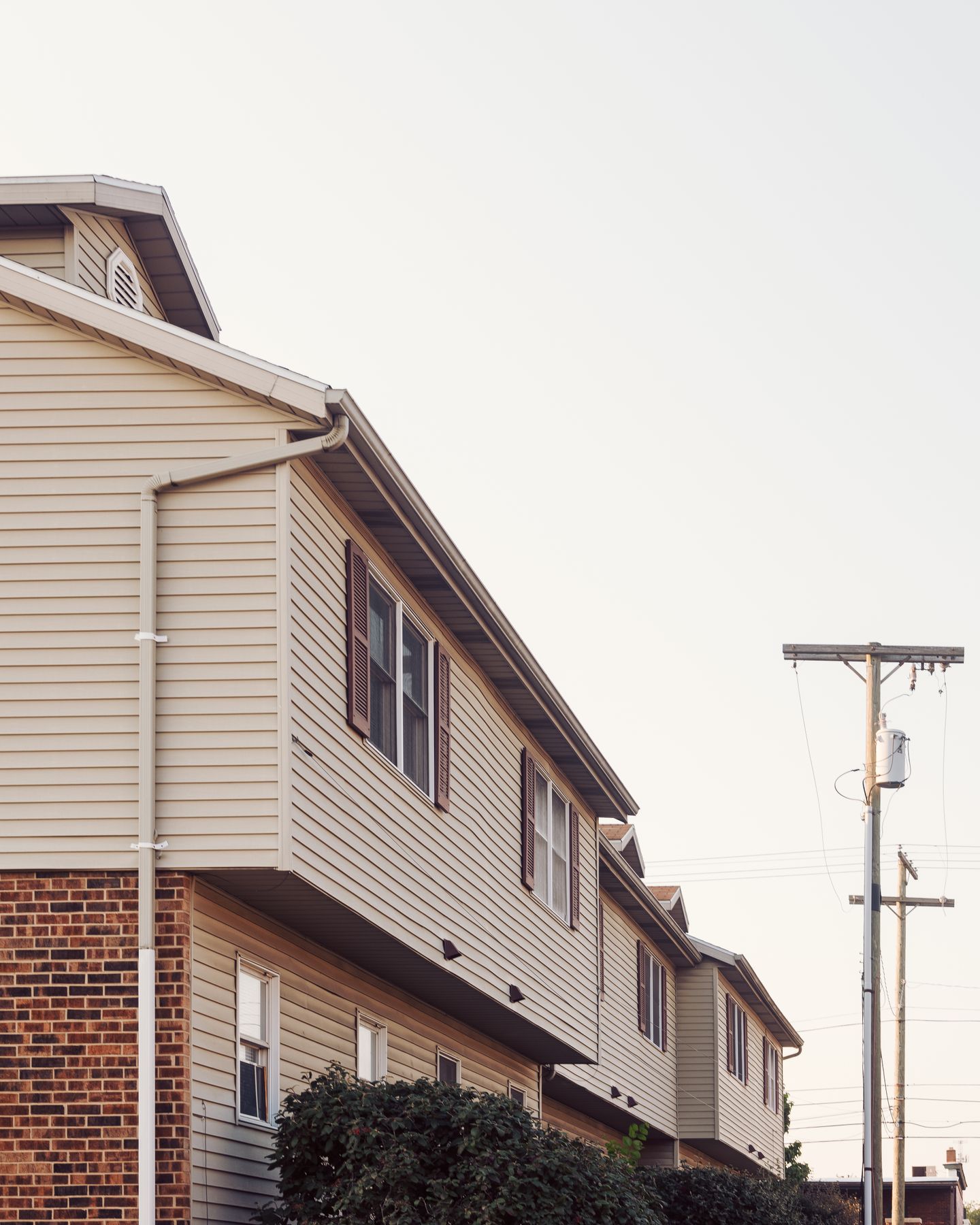
No siding comparison in British Columbia carries baggage like this one. Stucco versus fiber cement is not a neutral product matchup here; it is a conversation conducted in the shadow of the leaky-condo era, the billion-dollar building-envelope failure that renamed how this province builds walls. Understanding what actually failed then, and what both materials offer now, is the only way to make this choice on evidence instead of trauma. Part of our siding guide for BC buildings.
What the leaky-condo era actually proved
The shorthand version blames stucco, and the shorthand is wrong in a way that matters. What failed across thousands of 1980s and 1990s buildings was an assembly philosophy: face-sealed walls, cladding applied tight to the structure, no drainage cavity, betting everything on a perfect, permanent surface seal against coastal rain. Stucco was the era's dominant cladding, so stucco wore the failure's face, but face-sealed anything fails here, the same buildings' sealed windows and details failed identically, and the province's response, documented exhaustively through BC Housing's research arm, was not "ban stucco." It was rainscreen: the drained, vented cavity that this series treats as the foundation of every wall, made standard practice for every cladding.
That history writes today's comparison rules. Legacy face-sealed stucco is a known risk class: era-datable, symptom-readable, and the core caseload of the region's envelope restoration industry. Modern rainscreened stucco is a legitimate assembly: properly drained, professionally installed, performing fine across the region's newer stock. And fiber cement rose to dominance partly on this history, a cladding whose lap format, drainage-friendly detailing and mineral indifference to moisture fit the post-crisis philosophy perfectly, and whose association with the solution era still shapes buyer perception today.
The comparison, on today's terms
Moisture behaviour. Over identical modern assemblies, both perform; the differences are in failure modes and forgiveness. Fiber cement is a jointed system: water management happens at laps, flashings and the cavity, failures are local, and the material itself cannot rot. Stucco is monolithic: superb when intact, but cracks are its native failure mode, thermal, structural settling, impact, and every crack is a potential entry writing cheques the cavity must cash. On forgiving-versus-demanding, fiber cement forgives more, which on this coast is the tiebreaker it always is.
Repair economics. The starkest divergence. Fiber cement repairs board by board: damaged pieces out, matched pieces in, ColorPlus stability making matching unusually kind. Stucco repairs are patches in a continuous surface: texture-matching is a genuine craft lottery, colour-matching aged stucco harder still, and visible patchwork is the norm, not the exception, one reason stucco buildings defer small repairs until they become big ones, exactly the deferral economics that cost the most.
Fire. A genuine tie at the top tier: both are non-combustible, both serve interface properties and code-constrained projects equally on this axis. Choosing between them is never a fire decision.
Looks and language. Real differences, honestly weighed. Stucco owns the monolithic languages: Mediterranean, Spanish, certain moderns wanting seamless planes, and its texture range is its own palette. Fiber cement owns the boarded languages: lap, shingle, board-and-batten, the coastal and heritage vocabularies, with woodgrain and smooth options spanning traditional to contemporary. Neither imitates the other convincingly; the house's architecture votes first.
Cost. Same premium neighbourhood on re-clads, since the assembly rebuild, the expensive shared foundation, is identical. Stucco's labour scales with detail complexity and cure-sensitive weather windows; fiber cement's with cuts and trim. Lifetime costs diverge through the repair economics above and through finish cycles: quality stucco finishes run long but repaint eventually across the whole monolith; ColorPlus ages by the decade with board-level touch-up.
The legacy-stucco decision tree
For the owners this comparison actually visits, people holding 1980s-2000s stucco walls, the decision tree runs on evidence. Assess first, always: era plus symptoms plus moisture readings, per the wet-wall diagnostic, because face-sealed walls range from quietly fine to actively rotting, and the difference is not visible from the sidewalk. Quietly fine: maintain vigilantly, seal cracks promptly with correct materials, keep drainage details clear, and plan the eventual re-clad on your schedule, not the wall's. Symptomatic: investigate properly, small exploratory openings, moisture mapping, before any cosmetic response, because paint over a wet face-sealed wall is evidence tampering, not maintenance. Confirmed wet: the re-clad conversation, and here the leaky-condo playbook is mature: cladding off, assembly read and remediated, rot repaired, cavity built, and the new cladding chosen on the merits above. Multi-family owners run this tree through strata governance with envelope consultants steering, the restoration process this region invented at scale.
At that re-clad fork, our honest pattern across hundreds of assessments: most stucco-era homes choose fiber cement, for the repairability, the finish longevity, the boarded looks their architecture usually predates stucco fashion anyway, and, candidly, for the buyer-perception reset, "stucco-era building, fully rainscreened and re-clad in Hardie" is a sentence that sells, per the resale honesty this series practices. Re-stucco wins where the building's language demands it, and done modern, it deserves none of its ancestors' reputation.
What we build, either way
Our lane, stated plainly: we are a certified Hardie contractor and a restoration crew, and on stucco-era projects our role runs from assessment through re-clad, in fiber cement when that is the verdict, alongside stucco trades when the monolithic answer wins, always over the assembly the era taught everyone to build. The non-negotiables travel with us regardless of cladding: no over-cladding, full tear-off and wall reading, causes corrected before beauty applied, documentation throughout, and the drained cavity under everything, the lesson this province paid tuition for once, and should never pay again.
The assessment that settles it: what stucco testing involves
Since the legacy-stucco tree hangs on evidence, here is what gathering it actually looks like, so the process holds no mystery. The visual pass reads the wall's era markers and symptom map: drainage details present or absent at the base, sealant archaeology at openings, crack patterns sorted, hairline crazing versus the diagonal cracking at corners of openings that suggests movement, versus the horizontal patterns that sometimes mark saturated substrate. The percussion pass, gentle knuckle or tool work across suspect areas, hunts drummy zones where stucco has debonded, mapping them for correlation with water paths above. The moisture pass puts numbers where symptoms pointed: surface readings and, with owner consent, probe readings through discreet locations into the substrate, the meter discipline applied through a harder skin, sometimes supplemented on larger buildings by exploratory openings at the consultant's direction, small windows cut where evidence concentrates, read, photographed and resealed. The synthesis grades the wall honestly: dry and sound, monitor on a schedule; locally wet with traceable causes, targeted remediation; broadly wet, the re-clad conversation with the full restoration process behind it. Owners are present for all of it on our assessments, readings shown, photos shared, because a verdict you watched being built is one you can act on without second-guessing, whichever branch it lands on.
If you keep the stucco: the stewardship contract
Rainscreened modern stucco, and legacy walls that tested dry, deserve their own maintenance paragraph rather than orphan status. The contract: wash gently and annually, algae films colonize textured surfaces faster than smooth ones, per the biology-by-exposure patterns; seal cracks promptly and correctly, elastomeric products matched to the finish, because every crack is a standing invitation and the drying-deficit math compounds behind a monolith; keep every drainage and termination detail clear, weep screeds at the base unpainted and unblocked, grade clearances held, sprinklers off the wall; watch the openings, since stucco failures concentrate where the monolith meets windows, doors and penetrations, and sealant there is the working part; and repaint on the finish's schedule with breathable coatings, never the vapour-tight films that convert a wall into the double-tight trap. Kept faithfully, the contract delivers stucco's long numbers; broken, it delivers the era's reputation. The parallel with every material in this series is exact, and intentional: claddings do not have reputations, assemblies and owners do.
Questions stucco owners actually ask
"My stucco has hairline cracks everywhere. Is that bad?" Usually not by itself: fine crazing is common surface behaviour. What matters is pattern and company, cracks radiating from opening corners, cracks with staining, cracks over drummy areas, and whether interior clues accompany them. Document them, seal them properly, and let the assessment sort cosmetic from consequential.
"Can stucco be repaired invisibly?" Rarely perfectly. Texture matching is a craft and colour matching aged stucco is harder still, so plan repairs at natural breaks where possible, and expect visible patches on tightly matched finishes, the repair-economics asymmetry that shapes many re-clad decisions.
"Does re-cladding fix my leaky-condo-era building?" The re-clad done properly, cladding off, assembly read, causes corrected, cavity built, is exactly the remediation the era requires, whether the new face is fiber cement or modern stucco. What does not fix it is a cosmetic recoat, which is why symptoms deserve investigation rather than paint.
"Is my newer stucco home at risk?" Post-rainscreen construction generally performs; verify with the era, the visible drainage details and any symptoms, then maintain the stewardship contract above rather than worrying abstractly.
What we tell stucco owners who are not ready
Not everyone reading this is re-cladding, and the honest counsel for owners sitting on stucco walls they cannot address yet deserves its own section. First: get the assessment anyway. Knowing whether your wall tested dry, locally wet or broadly wet converts an anxiety into a plan, and the plan can legitimately be "monitor annually and budget toward year five." Second: maintain relentlessly in the meantime, the stewardship contract above is dramatically cheaper than deterioration, and crack sealing done promptly genuinely buys years on a face-sealed wall. Third: watch the specific tells that escalate urgency, new staining, growing drummy areas, interior clues, any of which converts monitoring into investigation. Fourth: if the building is a strata, get the finding into the depreciation report and council record so the collective clock starts now rather than at failure.
What we do not tell people: that their stucco is doomed. A meaningful share of the legacy walls we test are performing acceptably, protected by generous overhangs, favourable exposure, or simply better original workmanship than the era's reputation implies. The era produced a risk class, not a death sentence, and the difference between the two is exactly what a moisture meter and an hour of attention establish.
The verdict, compressed
Stucco is not the enemy and fiber cement is not a magic wall. The enemy was, and remains, the face-sealed assembly, and the province paid for that lesson once. Over a properly drained cavity, both materials serve; fiber cement forgives more, repairs better and matches the region's dominant architectural languages, which is why it wins most re-clads here, while genuine stucco architecture deserves modern stucco done right. Test the wall, rebuild the assembly, then choose the face on the merits.
Key takeaways
- The leaky-condo era convicted face-sealed assemblies, not stucco itself: modern rainscreened stucco performs, and legacy face-sealed walls are a datable, testable risk class.
- Over identical modern assemblies, fiber cement wins forgiveness and repair economics; stucco wins monolithic aesthetics; fire is a tie; cost is a neighbourhood.
- Legacy-stucco owners run an evidence tree: assess, then maintain, investigate or re-clad, never paint over symptoms.
- At the re-clad fork most stucco-era homes choose fiber cement, repairability, finish longevity and perception reset, while genuine stucco-language architecture earns modern re-stucco.
- Whatever the face, the cavity underneath is the entire lesson of this region's most expensive building mistake.
Holding stucco walls and wondering which branch of the tree you are on? Book a free assessment or call 778-358-2885, moisture meter included, verdict honest either way.
For readers who arrived here anxious because their building is from the era: that anxiety is reasonable and it is also actionable, which is the better half of the news. A morning with a moisture meter converts the region's most notorious building story into a specific, personal set of facts about your specific wall, and facts are what plans are made from. Book the assessment; get the facts.