

Building Envelope Restoration in BC: A Guide for Stratas and Building Owners
Building envelope restoration in BC for stratas and owners: signs of envelope failure, what a rainscreen rebuild involves, phasing, consultants, warranties.
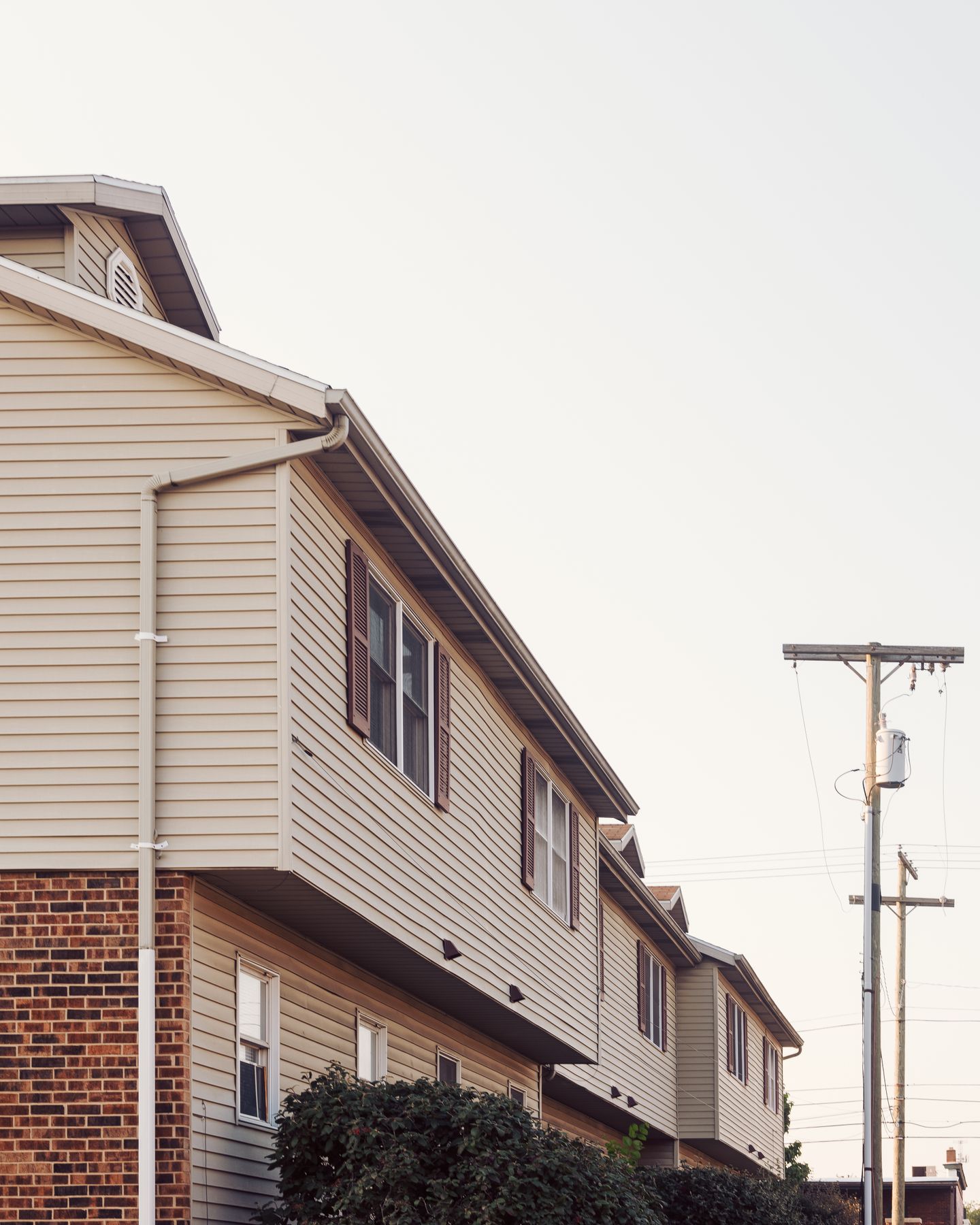
Building envelope restoration in BC means stripping a building's failing exterior back to the structure, repairing hidden moisture damage, and rebuilding the walls as a modern rainscreen assembly. For stratas and building owners in the Lower Mainland, it is the definitive fix for leaks, rot, and the legacy of face-sealed construction, and it is a major, staged project involving engineers, consultants, and an experienced envelope contractor. This guide walks through the whole process, from first warning signs to warranty.
What is a building envelope?
The building envelope is the complete system separating conditioned indoor space from the outdoors: the cladding you see, plus the membranes, sheathing, insulation, flashings, windows, doors, decks, and roof assemblies behind and above it. A healthy envelope does three jobs at once. It keeps bulk water out, controls air movement, and manages heat flow.
The critical idea for BC owners is that the envelope is a system. A perfect siding job over a failed membrane still leaks. A great window installed without proper flashing integration still funnels water into the wall. Restoration work succeeds or fails on how well every layer connects.
Why BC has a particular history with envelope failure
Through the 1980s and 1990s, many Lower Mainland buildings were built with face-sealed assemblies: the cladding itself was expected to be the waterproof layer, with no drainage path behind it. In a climate with months of wind-driven rain, water inevitably found its way past the surface and had nowhere to go. Trapped moisture rotted sheathing and framing from the inside, a problem widely known as the leaky condo crisis. The industry's answer was the rainscreen: an assembly that assumes some water gets past the cladding and gives it a ventilated cavity to drain and dry. We cover the principle in depth in our guide to what a rainscreen is and why BC needs it.
What are the signs of envelope failure?
Envelope problems announce themselves gradually. Signs worth acting on include:
- Staining, streaking, or dark patches on exterior walls, especially below windows and at deck intersections
- Cracked, bubbling, or delaminating stucco
- Soft or spongy wall areas near windows and doors
- Water stains on interior ceilings or around window heads
- Musty odours or persistent condensation inside suites
- Rusting fasteners or flashings, failing sealant joints
- Rot visible at trim, window sills, or deck ledgers
One symptom in one suite may be a local repair. A pattern across a building is a system problem, and the right first step is an assessment, not a patch.
Who does what: consultants, engineers, and contractors
Multi-family envelope restoration in BC is a team effort with defined roles, and stratas should understand the structure before they start.
The building envelope consultant or engineer
An envelope consulting firm investigates the building, often with exploratory openings and moisture probes, and produces a condition assessment. If restoration is warranted, the consultant designs the new assembly, prepares specifications and drawings, runs the tender process, and then reviews the work in the field as it proceeds. For most strata projects, engineer-sealed design and field review are required, and they protect the owners: the consultant works for the strata, not the contractor.
The envelope contractor
The contractor prices the specified scope, plans the phasing, and executes: scaffolding, tear-off, structural and sheathing repairs, membranes, exterior insulation where specified, rainscreen strapping, cladding, flashings, and finishing. This is where experience shows, because the real condition of the walls is only fully known once the cladding comes off. Our restoration service is built around exactly this scope.
The strata council and property manager
Council makes the decisions, communicates with owners, and manages funding, often drawing on the depreciation report to plan timing. A good contractor and consultant make council's job easier with clear reporting and realistic schedules.
What does a rainscreen rebuild involve?
A full restoration typically follows this sequence, elevation by elevation:
1. Assessment and design
The consultant investigates, documents the extent of damage, and designs the new wall assembly, usually a rainscreen with modern membranes, and often with continuous insulation added to improve energy performance while the walls are open.
2. Tender and contractor selection
Qualified envelope contractors price the specification. Stratas should weigh experience with occupied buildings, safety record, WorkSafeBC compliance, and warranty terms alongside price.
3. Mobilization and protection
Scaffolding or swing stages go up, and protection is installed for landscaping, vehicles, and building entrances. Residents receive a schedule for their elevation.
4. Tear-off and structural repair
Cladding, old membranes, and damaged sheathing come off. Rotted framing, sheathing, and deck structure are repaired or replaced. This stage determines the real scope: contingencies exist in every envelope budget because damage hides until the walls are open.
5. New envelope assembly
The rebuild proceeds in layers: sheathing, air and water barrier membranes, window and door replacement or reinstallation with proper flashing integration, insulation, rainscreen cavity, and new cladding, whether fiber cement, vinyl, Longboard, or a mix. New soffit, fascia, and exterior finishing details complete the assembly.
6. Review and warranty
The consultant reviews throughout and documents completion. The strata receives warranty coverage: the contractor's written workmanship warranty plus manufacturer warranties on membranes and cladding.
How phased restoration works on occupied buildings
Owners often assume a re-clad means moving out. In practice, buildings stay occupied. Work is phased so that only one section of the building is active at a time, typically one elevation or one scaffold drop. Residents in the active zone deal with noise during working hours, covered windows for a period, and temporary loss of deck access, then the crews move on.
The things that make phased work go well are unglamorous: a realistic schedule, weather protection so opened walls are never left exposed, clean sites, and steady communication through the property manager. Ask any prospective contractor how they handle notice to residents, weekend noise, and weather tarping. The answers tell you a lot. You can also review our completed projects and client testimonials to see how this plays out on real buildings.
What determines the cost of envelope restoration?
Every envelope project is priced by quote against the consultant's specification, and the main drivers are:
- Building size, height, and access method (scaffold vs swing stage)
- The extent of hidden damage found at tear-off, managed through contingency
- The specified assembly: membranes, insulation, cladding type
- Window and door replacement scope
- Phasing requirements and site constraints
- Balcony, deck, and roofing work bundled into the project
Stratas budget for restoration through their contingency reserve fund, special levies, or financing, guided by the depreciation report. Early conversations with a consultant and contractor help council put honest numbers in front of owners.
Frequently asked questions
What is a building envelope?
The building envelope is everything that separates inside from outside: walls, cladding, windows, doors, roofing, decks, and all the membranes and flashings that tie them together. Its job is to keep water, air, and heat where they belong. When any layer fails, moisture gets into the structure.
What are the signs of building envelope failure?
Common warning signs include staining or streaking on exterior walls, bubbling or cracking stucco, soft or spongy areas near windows, persistent interior condensation or musty smells, and water stains around window heads. Any of these on a multi-family building warrants an assessment by an envelope professional.
How long does a building envelope restoration take?
A full rainscreen rebuild on a multi-family building typically runs several months to a year or more depending on building size, phasing, and weather. Work is usually staged elevation by elevation so residents can stay in their homes throughout the project.
Do residents have to move out during envelope restoration?
Almost never. Restoration is phased so that scaffolding, tear-off, and rebuild move around the building in stages. There is noise and temporary loss of deck or window access in active zones, but buildings remain occupied, and good contractors schedule and communicate to keep disruption manageable.
Talk to an envelope restoration contractor
Mega Siding Exterior Ltd. performs building envelope restorations and rainscreen rebuilds for strata councils, property managers, and building owners across Coquitlam, the Tri-Cities, Metro Vancouver, and the Fraser Valley. We are BC licensed, insured, WorkSafeBC compliant, with over a decade in the trade and a written workmanship warranty on every project. Contact us to discuss your building or an upcoming tender, or call 778-358-2885.