
Vinyl Siding Installation and Replacement in Vancouver and the Lower Mainland
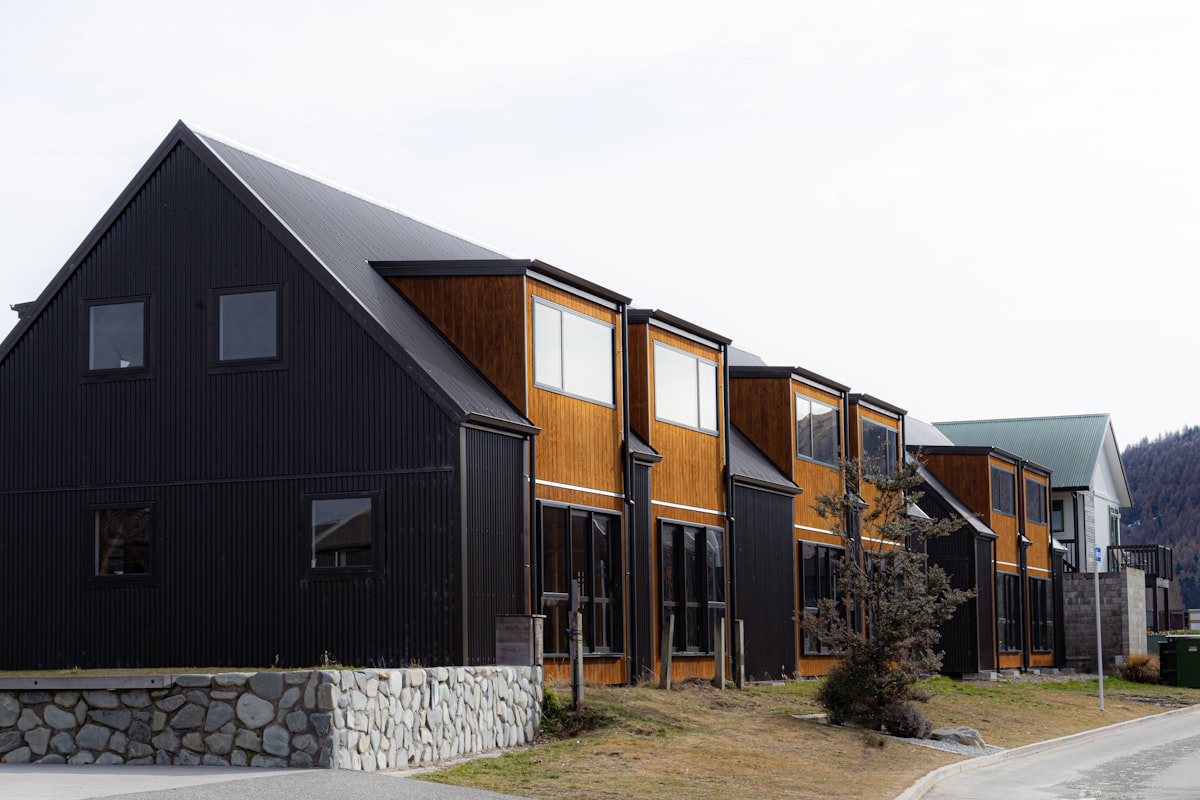
Mega Siding Exterior installs and replaces vinyl and premium insulated vinyl siding across Vancouver, the Tri-Cities, Surrey, Langley and the Fraser Valley, on single homes, rental properties and multi-family buildings.
What we install.
Vinyl is still the most cost-effective way to put a clean, weather-tight face on a Lower Mainland home. Modern premium and insulated vinyl has moved well past the thin, rattling product people remember, and installed over a proper drainage cavity it performs and looks far better than most homeowners expect.
- Standard and premium vinyl lap siding
- Insulated vinyl for better wall performance
- Vertical panel and shake-look profiles
- Vinyl soffit, fascia and trim packages
- Rainscreen strapping behind the cladding
- Vinyl siding repair and partial replacement
Project types we deliver.
Residential Re-Siding
Full replacement on aging or damaged vinyl and wood.
Rental & Investment Property
Durable, low-maintenance exteriors on a controlled budget.
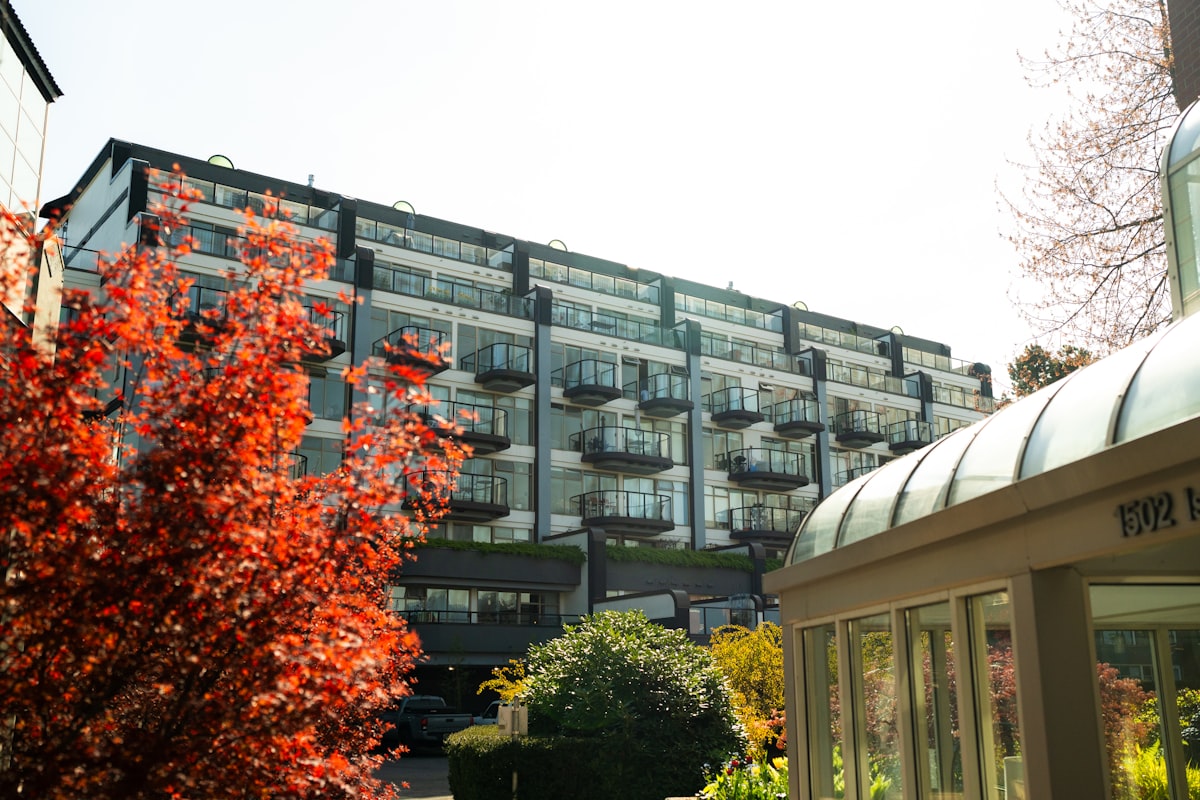
Townhomes & Multi-Family
Phased vinyl re-clads on wood-frame complexes.
Repairs & Insurance Work
Storm, impact and localized panel damage.
From first look to final walkthrough.
Free on-site assessment
We measure, check the condition of the existing wall, and talk through vinyl grades and profiles honestly.
Product and colour selection
Standard, premium or insulated vinyl, with profile, colour and trim package confirmed in the written quote.
Tear-off and wall inspection
Old cladding removed, sheathing checked, and any rot or water damage shown to you before repair.
Barrier, strapping and install
Weather-resistive barrier and drainage cavity, then panel installed with correct expansion allowance and fastening.
Cleanup and walkthrough
Full site cleanup, magnet sweep for fasteners, and a final walkthrough with you.
Vinyl siding, explained.
Standard, premium and insulated vinyl: what the grades mean.
The word vinyl covers three quite different products. Standard vinyl is the thin, economical panel that most Lower Mainland homes were clad in through the 80s and 90s. Premium vinyl is a thicker, stiffer panel with a deeper profile, a stronger lock at the top of each course and a colour that runs through the material rather than sitting on the surface. Insulated vinyl bonds a shaped foam backer to the panel so it lies flat, resists dents and adds a real layer of insulation to the wall.
The difference shows on the wall. Thin vinyl telegraphs every bump in the sheathing and ripples in afternoon sun. Premium panel hangs straight and stays straight. Insulated panel hangs straighter still and takes a hockey puck without cracking. Darker colours, which used to be a problem on vinyl because of heat, are now workable on premium lines built with reflective pigments.
We install all three and we tell you plainly which one fits the building. On a rental or a house you plan to sell in five years, standard or premium vinyl is often the right spend. On the house you plan to keep, insulated vinyl or a step up to fiber cement usually pays back in lower maintenance and a wall you never think about.
Why 80s and 90s vinyl is failing now.
Vinyl gets brittle with age and sun. After thirty coastal winters the panels that were flexible on the day they were installed snap under a ladder or a stray soccer ball, and a windstorm that once rattled the wall now takes panels off it. Faded south and west elevations no longer match the north side, and the colour cannot be brought back.
The bigger problem is usually behind the panel. Much of that era's vinyl was nailed tight, so it could not move and cracked at the fasteners, and it was hung over building paper that was never designed to drain. Window heads without flashing, J-channel that dumps water behind the panel, and no kickout where the roof meets the wall have been feeding water into the sheathing for decades. A soft spot at the bottom of a wall in Burnaby or Coquitlam is often the first visible sign of that.
That is why a vinyl replacement with us starts with the wall, not the colour chart. When the old panel comes off we inspect the sheathing and framing, show you what we find before it is covered, and fix the drainage details that caused the damage so the new siding is not hiding the same problem for another thirty years.
Installing vinyl so it moves, drains and stays on.
Vinyl expands and contracts more than any other cladding, and the whole installation is built around letting it. Panels are hung, not nailed tight: fasteners sit in the centre of the slot with a coin's width of play, and every panel ends short of the trim so it has room to grow in August. Get that wrong and the wall buckles in the first heat wave or cracks in the first cold snap.
Water is handled the same way it is on a Hardie or metal wall. Weather-resistive barrier lapped and taped, head flashings over every window and door, kickout flashings where roofs meet walls, and on most of our work strapping to create a real drainage cavity behind the panel. Vinyl drains and vents through its own profile, but the wall behind it still needs a proper second line of defence in this climate.
The finishing package is where a vinyl job looks cheap or looks sharp. Matched vinyl or aluminum soffit and fascia, colour-matched trim and corner posts, clean cuts at the gables and a level starter course all come standard on our installs. We finish with a magnet sweep of the yard for fasteners and a walkthrough with you.
Vinyl or Hardie: the honest comparison.
Vinyl costs less up front, installs faster and never needs paint. James Hardie fiber cement costs more, lasts longer, holds colour longer, is non-combustible and adds more to resale value. Both are legitimate choices, and which one is right depends on how long you plan to own the building and what the neighbourhood expects.
On multi-family and rental portfolios, premium vinyl is often the sensible call because it can be phased, repaired panel by panel and kept looking uniform across many buildings on a controlled budget. On a family home on a street of re-clad character houses, Hardie usually wins on looks and on the appraisal.
Because we install both, the comparison you get from us is about your building rather than about our margin. If we think vinyl is the right answer, we will say so, and if we think you are about to put a budget product on a house that deserves better, we will say that too.
Repairs, colour matching and insurance work.
Not every vinyl call is a re-side. A cracked panel, a course that blew off in a storm or a corner post that came loose is a repair, and we do those across Vancouver and the Lower Mainland. A zip tool unlocks the course above, the new panel locks in with room to move, and the surrounding courses are refastened properly so the same panel does not come off next winter.
Colour matching is the honest limitation. A twenty-year-old faded panel has no exact match in any catalogue, so we source the closest current colour, pull sound panels from a hidden elevation to patch a visible one where that is possible, and tell you when the match will show. On a wall that has faded unevenly, that conversation sometimes ends in a decision to re-side one elevation rather than patch it.
Storm and impact damage is usually covered by insurance, and we scope and photograph the repair in the form an adjuster needs. Wear, fade and age are usually not covered, and we will tell you which one you are looking at before any paperwork starts.
Read before you choose vinyl.
Is Insulated Vinyl Siding Worth It in BC?
Real R-value gains, rigidity and looks, where the premium pays off and when standard vinyl beats it.
Vinyl Siding Repair in BC: Cracks, Loose Panels and When to Stop Patching
Cracked and loose panels, the colour-match problem, wind damage, and the point where patching stops making sense.
James Hardie vs Vinyl Siding in BC: How to Choose
Durability, fire, cost and resale, and where each cladding fits on a BC building.
How Long Does Siding Last in BC? Real Lifespans by Material
Honest lifespans for vinyl and every other cladding on the coast, and how to read a wall's age.
Vinyl siding across Vancouver and the Lower Mainland.
Vinyl is the workhorse cladding of the Lower Mainland housing stock, and most of what we replace went up in the 80s and 90s and is now brittle, faded or leaking at the details. These are the cities where we install and replace it most.
Vinyl Siding in Vancouver
Re-siding older East Van and South Vancouver homes, plus rental houses and small multi-family buildings where vinyl keeps the budget in check.
Vinyl Siding in Burnaby
Full vinyl replacement on postwar homes and duplexes, usually with new insulation added while the walls are open.
Vinyl Siding in Coquitlam
Our home base. Re-clads on 80s and 90s vinyl that has gone brittle, with proper rainscreen strapping behind the new panel.
Vinyl Siding in Surrey
High volume of vinyl re-sides and repairs on family homes and rental properties, from Whalley to Cloverdale.
Vinyl Siding in Langley
Vinyl and insulated vinyl on suburban homes and townhome complexes, installed panel by panel to a phased strata schedule when needed.
Vinyl Siding in Richmond
Replacement and repair on homes where coastal wind-driven rain has worked into unflashed joints and openings.
Vinyl Siding in Maple Ridge
Re-siding and storm damage repair on detached homes, with premium vinyl profiles that stand up to the weather off the Fraser.
Vinyl Siding in Mission
Vinyl siding installation and replacement on hillside homes and acreages, one crew from tear-off to final walkthrough.
Built across British Columbia.
Common questions, Vinyl Siding.
Ready to re-side in vinyl?
Tell us about the house or building and what the existing siding is doing. We will book a free on-site assessment, show you the vinyl grades side by side, and return a written, line-itemed quote a few days after the visit.


BBB accredited, licensed and insured in BC, and WorkSafeBC compliant on every project.