James Hardie Siding Installation in Vancouver and the Lower Mainland
Mega Siding Exterior is a certified James Hardie Alliance contractor based in Coquitlam, installing Hardie fiber cement on homes, townhomes, stratas and multi-family buildings across Vancouver, Burnaby, the Tri-Cities, the North Shore and the Fraser Valley.
What we install.
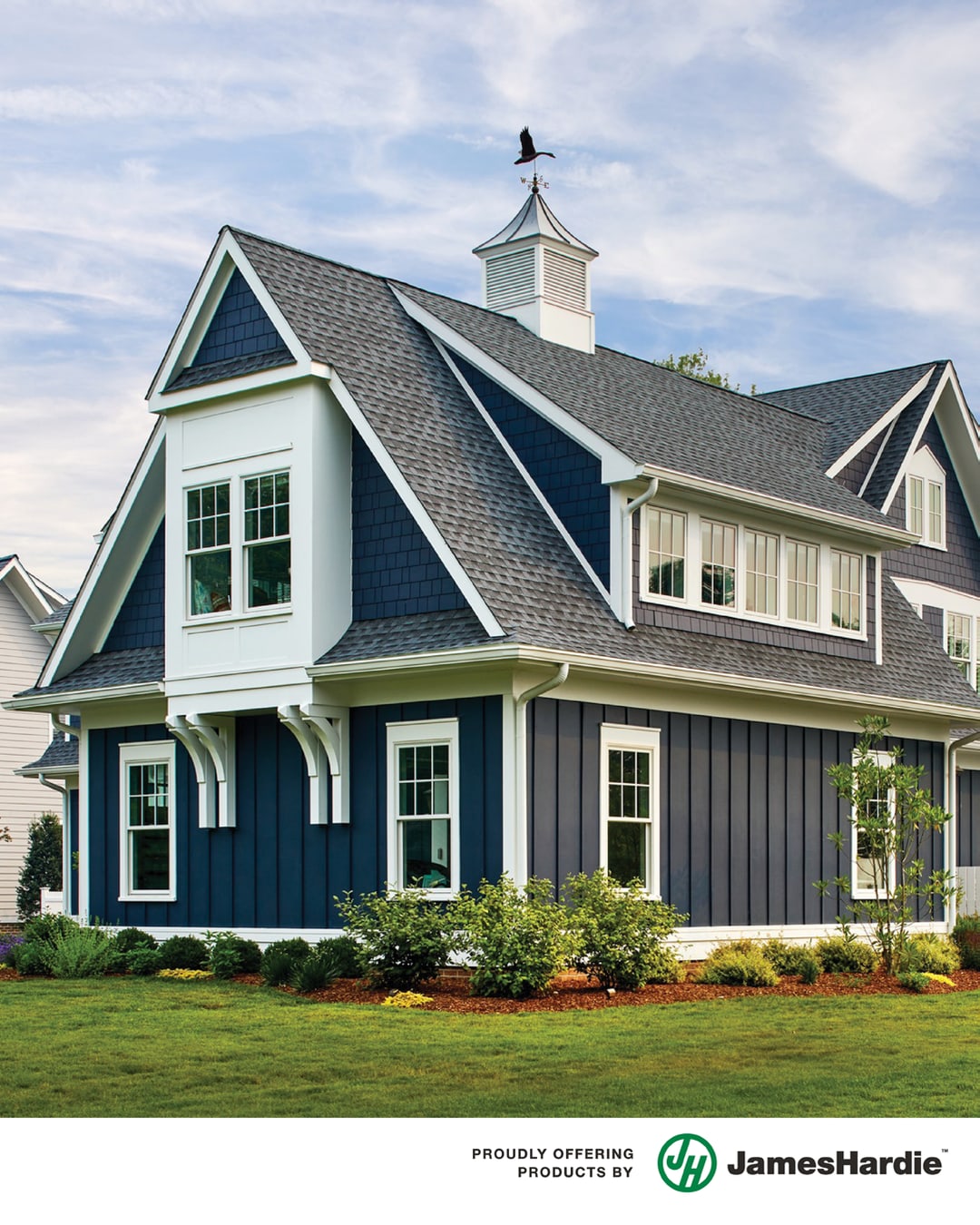
James Hardie fiber cement is the most requested siding system we install in Vancouver and the Lower Mainland, and for good reason. It handles Pacific rain, resists rot and fire, and holds colour far longer than wood or paint-grade products. We are a certified James Hardie Alliance contractor, which means factory-backed training on the full system, not just the boards.
- HardiePlank lap siding
- HardiePanel vertical siding and batten
- HardieShingle and Artisan profiles
- HardieTrim, soffit and fascia
- ColorPlus and factory-finish colour matching
- Rainscreen strapping and BC-code detailing
Project types we deliver.
Residential Re-Clads
Older Vancouver and Lower Mainland homes moving off wood or aging vinyl.
Townhomes & Stratas
Phased Hardie re-clads coordinated with depreciation reports.
New Construction Multi-Family
Wood-frame apartment and condo buildings.
Custom Homes
Architectural builds where the trim and reveal detail has to be right.
From first look to final walkthrough.
On-site assessment
We look at the existing wall, the exposure and the detailing, then talk through Hardie profiles and colour before quoting.
System and colour selection
Plank, Panel, Shingle or Artisan, with ColorPlus or site-finish options and trim reveals confirmed in writing.
Tear-off and wall inspection
Old cladding comes off, sheathing and framing get inspected, and any rot is shown to you before it is repaired.
WRB, rainscreen and flashing
Weather-resistive barrier, drainage cavity, window and door flashings detailed to Hardie's published Pacific Northwest best practice.
Install, punch and warranty
Course-by-course install with correct fastening and joint treatment, then walkthrough and warranty documentation.
James Hardie siding, explained.
Why fiber cement wins on the wet coast.
Vancouver gets its rain sideways for six months of the year, and the cladding that holds up here is the one that does not care. Fiber cement does not soak up water the way wood does and it does not expand and contract with the seasons the way vinyl does, so joints stay tight and paint lines stay straight. It is also non-combustible, which matters on tight urban lots where the BC Building Code limits what can face a neighbour, and in the wildfire interface communities on the North Shore and up the valley.
Colour is the other reason people call us about Hardie. ColorPlus is a factory-baked finish rather than a site-applied paint, so it fades slower, chalks less and does not peel at the board ends. North-facing walls under trees still grow algae in this climate, on any cladding, but a Hardie wall comes clean with a soft wash and does not need repainting every eight years the way a wood wall does.
It is not the right answer for every building, and we say so. A rental fourplex on a tight budget is often better served by premium vinyl, and a tall gable that needs staging costs more to clad in a heavier board. We install vinyl, metal and cedar as well, so the recommendation you get is about your wall, not about the product we would rather sell.
Plank, Panel, Shingle, Artisan: choosing the profile.
HardiePlank lap siding is what goes on most Vancouver houses. Exposure and texture are the two decisions: a narrower reveal reads as traditional and suits the pre-war streets of Kitsilano and Dunbar, a wider smooth board reads as contemporary. Trim width, corner boards and the reveal at the belly band do more for the look of a character home than the siding itself, so we draw those before we quote.
HardiePanel is the vertical sheet product. With battens it gives a board-and-batten look, and as a flat panel with clean reveals it is the workhorse on modern multi-family and mixed-use buildings across Burnaby, Coquitlam and Surrey. Many of our projects mix the two, plank on the body and panel on a feature elevation or an upper storey, and the transition flashing between them is a detail we get right every time because it is where water wants to go.
HardieShingle gives a coastal shingle look without the cedar maintenance, and Artisan is the thick-butt premium line with deep shadow lines for custom homes. Both cost more than Plank and both demand tighter detailing. Our guides below cover when they earn their price and when standard Plank is the smarter spend.
The install details that decide whether Hardie lasts.
Almost every failed fiber cement wall we are called to fix failed because of the installation, not the product. The board was nailed too hard and cracked, or hung too low and wicked water off a deck, or butted tight against a roof with no clearance and rotted from the bottom edge up. James Hardie publishes the clearances to grade, roofs, decks and flashings and the fastening pattern for each profile, and our crews install to that document, not to habit.
Behind the board is where the wall is actually kept dry. The Lower Mainland sits in the highest moisture zone in the BC Building Code, which is why a drained and vented cavity behind the cladding is required practice here. We install the weather-resistive barrier, strap the wall to create that cavity, and detail head flashings, kickouts and sill pans so water that gets past the cladding has somewhere to go.
Then the small things. Cut edges get sealed. Every butt joint gets a joint flashing behind it. Boards are blind-nailed through the top edge so the fasteners are hidden and the board can be replaced later without tearing out its neighbours. Trim is held off the siding with the manufacturer gap and the gap is treated correctly. None of this is visible when the job is done, which is exactly why it is worth asking about before you sign.
Hardie on Vancouver homes, stratas and new multi-family.
On the west side character homes we work on, the job is to give the owner a low-maintenance wall without losing the proportions that make the house. HardieTrim can be built up to match the original corner boards and window casings, exposures can echo the old wood, and the porch and gable details stay. Done well, the street cannot tell the wall is new except that it is straight and the paint is perfect.
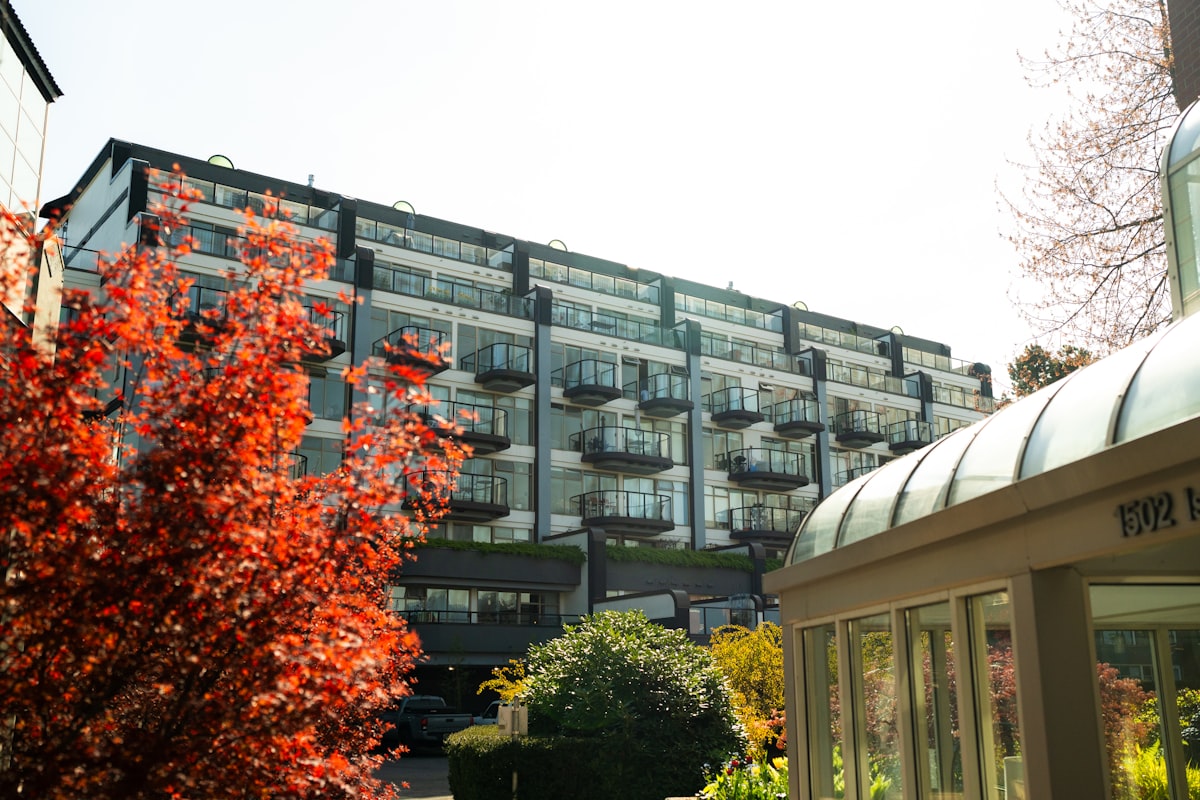
Strata and townhouse re-clads are a large part of our Hardie work. We join the site walk with your envelope consultant or depreciation report, phase the work building by building so residents keep access, and keep ColorPlus batches consistent across the whole complex so building six matches building one. Every phase closes with photos of the wall before it was covered and the warranty paperwork council needs on file.
For general contractors building new wood-frame apartment and townhome projects, we bring drawing review before procurement, a foreman who checks the barrier and strapping before a single board goes up, and a crew that has installed Hardie beside metal, brick and stucco often enough to detail the transitions without an argument on site.
Warranty, certification and what to ask any installer.
Mega Siding Exterior is a certified James Hardie Alliance contractor, which means our crews carry factory-backed training on the full system and we install to the published specification. James Hardie backs the product with its 30-year non-prorated substrate warranty and a 15-year ColorPlus finish warranty, and we back the workmanship with our own written warranty on every project.
Whoever you talk to, ask five things. Are you Alliance certified? Will you strap the wall and how deep is the cavity? How do you treat the butt joints? Who seals the field cuts? Can I see a Hardie job you did five years ago? A good installer answers all five without hesitating. The wall you are looking at will show you whether the answers were true.
Our quote is line-itemed: tear-off and disposal, barrier and strapping, the Hardie package by profile and colour, trim, flashings, soffit and fascia if they are in scope, and a separately stated allowance for rot repair so nothing is hidden inside a lump sum. If the opened wall shows less damage than allowed for, the allowance comes off the invoice.
Read before you choose.
Hardie Plank vs Hardie Panel: Which Profile Fits Your Building?
Lap versus vertical panel, which suits houses and which suits multi-family, and how to mix the two on one building.
James Hardie Siding Cost in BC: The 9 Factors That Set Your Price
The nine things that set the price of a Hardie re-clad in the Lower Mainland, explained without made-up numbers.
Choosing James Hardie Colours in BC
ColorPlus, fade, algae on north walls and the combinations that look right under coastal light.
7 James Hardie Installation Mistakes We Fix in BC
The seven install errors behind most fiber cement failures here, and how a spec-correct install avoids every one.
HardieShingle and Artisan: When Premium Profiles Earn Their Price
Where the premium Hardie profiles beat HardiePlank, and the detailing they demand.
James Hardie vs Vinyl Siding in BC
Durability, fire, cost and resale, and where each cladding fits on a BC building.
James Hardie vs LP SmartSide in BC
Fiber cement against engineered wood on the wet coast: moisture, fire, looks and warranties.
James Hardie vs Stucco in BC: The Post-Leaky-Condo Verdict
What the leaky condo era proved about each wall, and which one wins where.
James Hardie siding across Vancouver and the Lower Mainland.
Fiber cement is our most requested system in every city we serve, but the buildings it goes on change from one municipality to the next. These are the cities where we install the most Hardie.
James Hardie Siding in Vancouver
Character home re-clads on the west side and strata re-clads on the east side, with trim and reveals drawn to fit the street.
James Hardie Siding in West Vancouver
Custom homes on exposed hillside and waterfront lots, often Hardie paired with cedar or metal on feature elevations.
James Hardie Siding in North Vancouver
Rainscreen re-clads on the wettest walls in Metro Vancouver, where fiber cement replaces rotted wood and tired vinyl.
James Hardie Siding in Burnaby
Postwar homes and duplexes moving off wood and aluminum, plus HardiePanel on new multi-family along the SkyTrain corridors.
James Hardie Siding in Coquitlam
Our home base. Hardie re-clads on 80s and 90s housing and new townhome projects across the Tri-Cities.
James Hardie Siding in Richmond
Replacement on homes where coastal wind-driven rain found unflashed joints, detailed for the flat, exposed sites of the island.
James Hardie Siding in Surrey
High volume of residential re-clads and phased townhome complexes from Fleetwood to South Surrey.
James Hardie Siding in Langley
Suburban homes and strata complexes, with Hardie phased to council schedules when the complex is occupied.
Built across British Columbia.
Common questions, James Hardie Siding.
Thinking about Hardie?
Tell us about the building and send a photo of the wall if you have one. We will book a free on-site assessment, walk you through profiles and colours, and return a written, line-itemed quote a few days after the visit.


BBB accredited, licensed and insured in BC, and WorkSafeBC compliant on every project.