

The Best Time of Year to Re-Side a House in BC (It Is Not When You Think)
When to schedule siding replacement in the Lower Mainland: what weather actually constrains, season-by-season trade-offs, why shoulder seasons win, and how booking timing beats install timing.
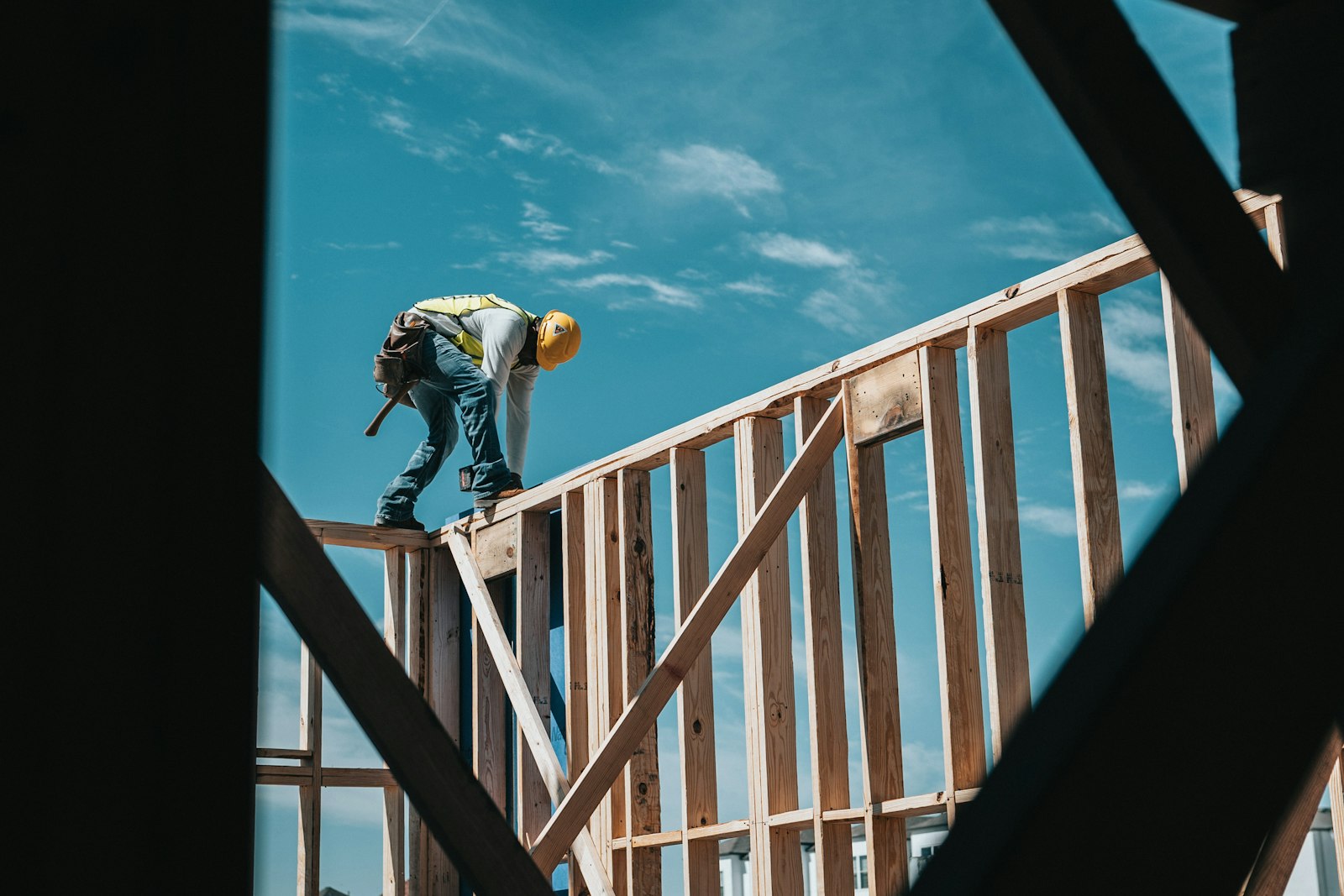
Ask the internet when to re-side and it answers like a postcard: summer, obviously, sunshine, dry walls, happy crews. Ask the region's crews and estimators and you get the more interesting truth: the Lower Mainland re-sides year-round, the summer default is mostly folklore, and the owners who get the best projects are rarely the ones who booked for July. This guide separates what weather actually constrains from what habit assumes, part of our siding guide for BC buildings.
What weather genuinely constrains
Strip the folklore and the real constraints are short. Finishes and sealants carry temperature and moisture windows: site-applied paints and stains want warmth and dry cure time, and sealants have application minimums, the reason cedar restoration season is genuinely dry-season work, and one of ColorPlus's quiet winter advantages, factory finish arrives cured, per the colour guide. Open-wall exposure: tear-off opens the envelope, and while professional staging and tarping manage rain fine, storm-cycle weeks add pause days and protection labour, the assembly work itself is weather-tolerant, but nobody laps membrane in a downpour. Materials at temperature extremes: vinyl cuts brittle in hard cold and wants expansion allowances respected in heat, per its installation physics; fiber cement and metal barely care. Daylight: December's short days simply hold fewer working hours than June's.
Notice what is absent: any constraint that forbids a season. Every month of the BC calendar hosts successful re-sides; the constraints above shape management, not possibility.
The seasons, honestly graded
Summer earns its reputation partially: long days, reliable dry stretches, ideal finish conditions, and the calendar's worst competition, peak demand, booked-out crews, and the occasional heat dome that stresses materials and people alike. Grade: excellent conditions, contested calendar.
Fall is the sleeper favourite among people who schedule these projects for a living: still-workable weather through October and often November, post-peak calendar space, and the strategic virtue of entering winter behind a new envelope rather than an old one, the pre-storm-season logic applied at project scale. Grade: the professional's shoulder season.
Winter is the misunderstood workhorse: cladding installs fine, crews are at their most available and attentive, and pricing conversations happen in the calendar's most flexible corner. The costs are management ones, weather-pause buffers, staging discipline, finish work sometimes deferred to a spring visit, and the psychological one, some owners simply dislike open walls in January, which is legitimate and worth knowing about yourself. Grade: underrated, with conditions.
Spring mirrors fall with reversed momentum: conditions improving weekly, but the calendar filling as everyone's summer plans collide, and the wettest months still in recent memory on the ground. Early spring booking for late-spring execution threads it well. Grade: good, book early.
The compressed verdict: conditions peak in summer, but project quality peaks wherever crew attention, calendar space and adequate conditions intersect, which is usually the shoulders, and the gap between adequate and perfect conditions is management, not outcome.
Booking timing beats install timing
Here is the reframe that actually moves outcomes: the high-leverage date is not when work starts, it is when you engage. Assessment, design, quote comparison, product and colour selection, factory-finish lead times, any permit steps, that pipeline runs weeks regardless of season, and it runs in complete comfort, none of it opens a wall. Owners who run the pipeline in fall and winter arrive at the calendar's front holding finished decisions: first pick of shoulder dates, locked pricing against the seasonal quote dynamics, and zero temptation to compress the thinking stages, which is where rushed projects actually go wrong. Owners who start the pipeline in May experience the folklore version: everything urgent, everything contested, decisions made at the speed of a filling calendar.
The same logic scales to strata and multi-family projects, where governance adds months to the pipeline: envelope projects voted in autumn execute in the following year's best windows; projects voted in spring meet the queue.
When the calendar does not get a vote
All timing wisdom yields to evidence, and this series' standing rule outranks every season: active problems do not wait. Moisture entry, rot symptoms, storm damage, pest breaches, each compounds through precisely the months a wait-for-spring instinct would span, and the wet season is when deferred problems do their compounding. The correct sequence never changes: stabilize immediately, assess honestly, repair on the evidence's schedule, and let only the cosmetic and elective layers negotiate with the calendar. A November discovery repaired in November costs a repair; the same discovery scheduled for a nicer month costs whatever five wet months add, which our repair economics can predict and your wall will demonstrate.
Planning your own window
The practical synthesis, as a sequence anyone can run. Start with an assessment in any season, today's is fine, since the pipeline's first stages are weatherproof. Let the assessment sort your project honestly: active-problem work executes on evidence timing; elective re-siding enters the pipeline. Run decisions through the comfortable months, and target execution at the shoulder that suits your temperament, fall for enter-winter-protected logic, spring for finish-everything-in-one-visit logic. Hold summer for the projects that genuinely need its specific gifts, site-finished products, restoration-grade work with cure-sensitive stages, and let everyone else fight over July. And whatever the window, buy the management, the staging, tarping, communication and buffer discipline that makes any season work, because per the whole contractor-choosing series, the crew's process is the real weather protection.
The twelve-month planner, compressed
For readers who want the calendar as a calendar. September to November: assessment and decision season, run the pipeline, compare quotes, select products and colours in comfort; execute fall projects in the October window; book winter or spring slots from the calendar's front; and do the storm-season audit either way. December to February: the management season, winter execution for the well-staged, pipeline completion for spring projects, factory-finish orders placed against lead times, and assessment of anything winter reveals, leaks and storms being January's contribution to project lists. March to May: shoulder execution prime time, conditions improving weekly, attention still available early, calendar filling late; the season for projects wanting one-visit finish completion. June to August: peak conditions for cure-sensitive scopes, restorations, site-finished work, and peak competition for everything else; also the season to start next year's pipeline if your project is large, multi-phase or strata-governed, where governance lead times mean summer votes buy next spring's execution. The pattern under the months: decisions in comfort, execution in shoulders, summer reserved for what genuinely needs it, and evidence outranking everything year-round.
What weather management actually looks like on site
Since "winter works with management" carries this guide's argument, here is what the management concretely is, the practices that separate all-season crews from fair-weather ones. Staging and protection: tarped work zones that shed rain off open walls, materials stored dry and off the ground, and tear-off phased so no more envelope opens than the day can close, the exposure discipline applied hour by hour. Sequencing agility: crews that pivot elevations with the wind, run cutting stations under cover, and hold membrane and flashing work for the day's dry windows while cladding proceeds through drizzle. Material handling by the book: fastening and cutting practices adjusted to temperature, sealants and touch-ups scheduled into their application windows rather than forced outside them, per each product's published limits. Site hygiene that respects the season: mud management, protected pathways, daily closure routines that leave the site weatherproof overnight. And the communication layer: owners told which days pause and why, buffers built into the written schedule rather than discovered past it, the process transparency that makes weather a managed variable instead of a recurring apology. Crews that work this way deliver the same wall in February as July; crews that cannot are summer crews whatever the calendar says, and the interview question "tell me about your winter practices" sorts them in one answer.
Questions owners ask about timing
"Will winter work cost more or less?" Neither reliably, and the honest variables run both directions: winter carries buffer days and protection labour, while peak season carries scheduling scarcity that firms up pricing and stretches lead times. What genuinely moves your number is scope and wall condition, per the cost factors, not the month on the contract. What timing does change is availability of attention, and attention is quality.
"Should I wait until I have saved more?" Only if nothing is actively failing. Elective upgrades wait comfortably; deteriorating walls charge interest in rot and repair, and the phasing options, weather wall first, elevations over two seasons, exist precisely so protection does not have to wait for a full budget.
"Does the neighbourhood matter to timing?" Occasionally, yes: dense urban streets with staging and street-use permits run smoother outside summer construction congestion, and complexes coordinating multiple trades often prefer the shoulder calendar for the same reason.
"What if my project runs into the wet season?" Well-run projects plan for that possibility rather than fearing it. Ask any bidder how they stage and protect open walls, how buffers appear in the written schedule, and what happens to finish work if the window closes, the answers reveal an all-season crew or a summer one.
Why the summer default persists
Worth naming the folklore's sources, because understanding them makes it easier to ignore them. Some of it is imported: American home-improvement content written for climates where winter genuinely stops exterior work, freeze depths and snow loads that the coast simply does not deliver, and readers absorb the constraint without the climate. Some of it is legacy: cladding and finish technology of thirty years ago was more weather-dependent than today's factory-finished, temperature-tolerant systems, and the habits outlived the products. Some of it is visibility: people notice exterior work when they are outside enjoying weather, so summer projects are the ones neighbours see, which creates the impression that summer is when projects happen, which makes it true, which reinforces the impression. And some of it is genuinely rational, the shoulder-and-winter arguments this guide makes require a crew that manages weather competently, and owners who have been burned by crews that could not are reasonably conservative.
The practical consequence of the folklore is arbitrage, and it favours owners who can read the calendar honestly: less competition for good crews, more attention per project, and the decision pipeline run at a thinking pace rather than a booking pace. None of which requires believing winter is better, only that it is workable, which the region's year-round crews demonstrate every February.
The one-sentence version
If you take nothing else from this guide: start the conversation in the season you are in, execute in the season that suits the work, and never let a calendar preference outrank a wet wall. Everything else here is elaboration on those three clauses, and the owners who follow them consistently get better crews, better attention and better prices than the ones waiting for a month that folklore recommended.
Key takeaways
- Weather constrains finishes, open-wall days and daylight, not the possibility of work: every BC month hosts successful re-sides.
- Shoulder seasons win on project quality: adequate conditions plus available attention beats perfect conditions plus contested calendars.
- The high-leverage date is engagement, not installation: run the decision pipeline in comfortable months and claim the calendar's front.
- Active problems outrank all timing wisdom: stabilize now, repair on evidence, and let only elective work negotiate with seasons.
- Winter re-sides work with management; summer earns its premium only for cure-sensitive scopes.
Whenever you are reading this, the pipeline's first stage fits today: book a free assessment or call 778-358-2885, and we will tell you honestly which window your walls actually want.
One last practical note for anyone reading this in the middle of a wet week and feeling discouraged about their walls: the assessment is free, it takes under an hour, it happens rain or shine, and it converts a vague worry into either a plan or a genuine reassurance. Neither outcome requires waiting for better weather, and both beat another season of wondering.