The Complete Roofing Guide for BC Homes and Buildings
A complete roofing guide for BC. Compare asphalt shingles, metal, torch-on flat, and cedar shake roofing, learn roof lifespans, and plan a roof replacement.
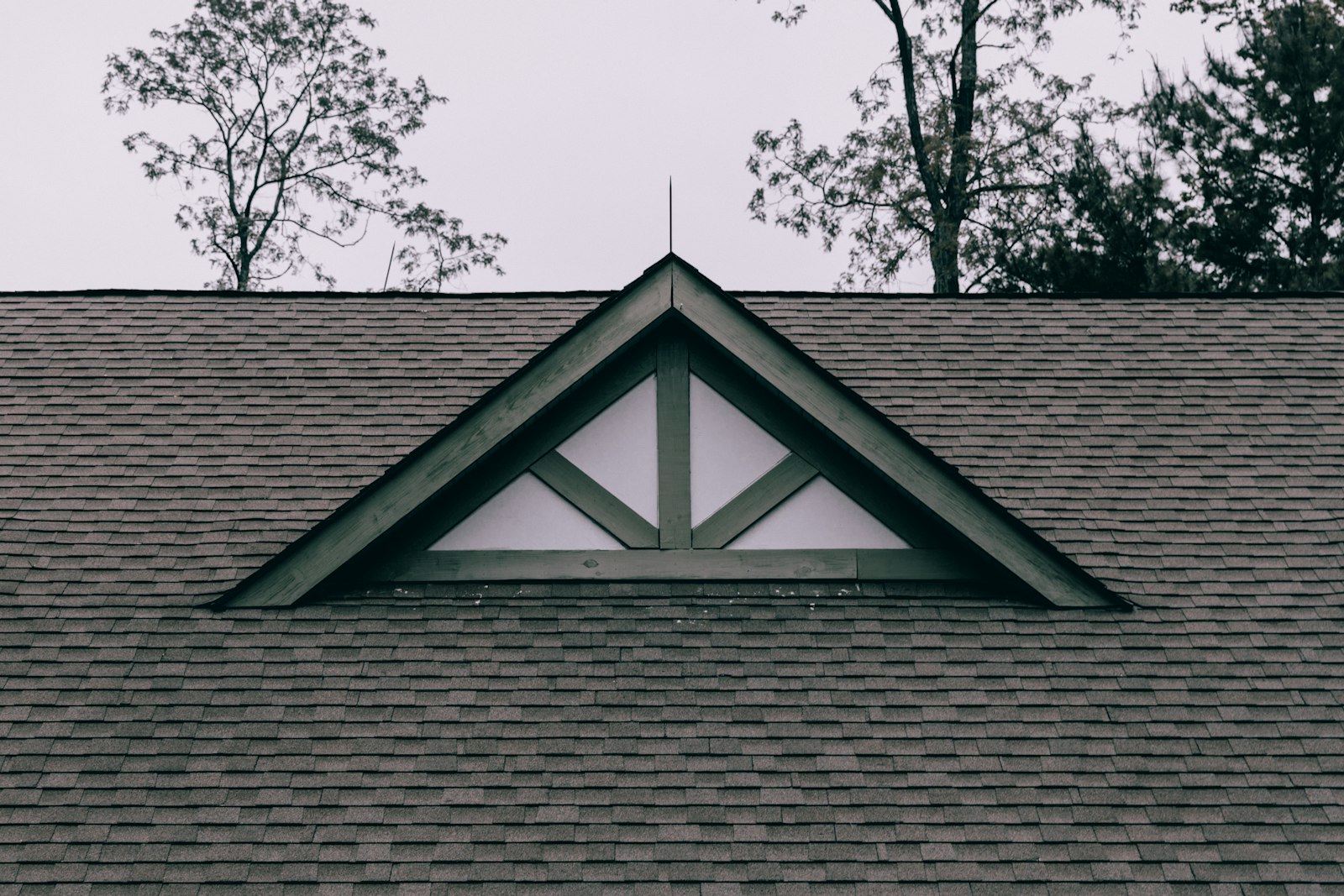
If you own a home or building in BC, a roofing guide starts with one fact: our coastal climate is hard on roofs. Long wet winters, moss growth, freeze-thaw cycles, and summer UV all shorten roof life, so material choice and installation quality matter more here than in drier regions. This guide compares the four main roof systems used across the Lower Mainland, explains how long each lasts, and walks through when to repair versus replace and how a roofing project actually works.
What is the best roof for the BC climate?
There is no single winner. The right system depends on your roof slope, your budget, how long you plan to hold the property, and the look you want. Here is how the four main options compare for homes and buildings in Coquitlam, the Tri-Cities, and across Metro Vancouver.
Asphalt and architectural shingles
Asphalt shingles remain the most common sloped roof in BC for good reason. Architectural (laminated) shingles are thicker and more dimensional than older three-tab products, handle wind better, and typically last 25 to 30 years in our climate. They install quickly, come in a wide range of colours, and are the most economical sloped-roof system to replace.
The trade-off is that shingles are more vulnerable to moss in shaded, damp locations, which describes a lot of BC lots. Regular moss treatment and good attic ventilation stretch their life considerably. Learn more about our asphalt and architectural shingle roofing service.
Metal roofing
Metal roofing has moved from farm buildings to some of the most architecturally ambitious homes and multi-family projects in the Lower Mainland. Standing seam panels shed rain and snow effortlessly, resist moss, and commonly last 40 to 70 years.
The upfront investment is higher than shingles, and installation demands real expertise: fastening, expansion detailing, and flashing all have to be done correctly. For owners who plan to keep a building for decades, metal often works out well over the full life of the roof. See our metal roofing page for profiles and applications.
Torch-on flat roofing
Flat and low-slope roofs, common on commercial buildings, townhome complexes, and modern homes, need a fully sealed membrane rather than overlapping shingles. Two-ply torch-on (SBS modified bitumen) is the workhorse system in BC. Installed properly, with attention to seams, drains, and parapet flashings, a torch-on roof typically delivers 20 to 30 years of service.
Because flat roofs hold water rather than shedding it, workmanship is everything. Most flat-roof failures trace back to detailing at penetrations and edges, not the membrane itself. Our torch-on flat roofing service covers new installations and replacements for commercial and residential buildings.
Cedar shake roofing
Cedar shakes are part of BC's building heritage, and nothing else matches their character on the right home. Cedar insulates naturally and, when maintained, lasts 25 to 40 years. It does demand more care than other systems: periodic cleaning, treatment, and prompt replacement of split or cupped shakes.
Some insurers and municipalities have specific requirements around cedar, so it is worth confirming those before committing. Details are on our cedar shake roofing page.
How long does a roof last in BC?
As a general guide for our coastal climate:
- Asphalt architectural shingles: 25 to 30 years
- Metal roofing: 40 to 70 years
- Torch-on flat membranes: 20 to 30 years
- Cedar shakes: 25 to 40 years with maintenance
These ranges assume proper installation, adequate attic or roof-assembly ventilation, and basic upkeep. A poorly ventilated attic can cut years off any roof by cooking shingles from below and trapping moisture. Moss left unchecked lifts shingle edges and holds water against the roof.
When should you repair a roof instead of replacing it?
This is the question we hear most often, and the honest answer depends on three things: the age of the roof, the extent of the damage, and the pattern of problems.
Signs a repair is enough
- Damage is localized: a few lifted or missing shingles after a windstorm, one failed flashing, a single puncture in a membrane.
- The roof is in the first two thirds of its expected life.
- The deck underneath is sound, with no widespread soft spots or rot.
Targeted repairs done promptly are money well spent. Our roof restoration and repair service handles everything from storm damage to flashing and drainage fixes.
Signs replacement is the smarter call
- Leaks keep coming back in different places.
- Shingles are curling, cracking, or shedding granules across large areas.
- The roof is at or past its expected service life.
- You are already planning exterior work like new siding, which makes it efficient to coordinate the roof at the same time as part of a full renovation and construction package.
Repeated patch repairs on a roof that is fundamentally worn out usually cost more over a few years than committing to replacement once.
How does a roof replacement project work?
Knowing the process removes most of the stress. A typical project with us runs like this:
1. Assessment and quote
We inspect the existing roof, check the deck condition where accessible, measure, and discuss material options. You receive a written quote that spells out scope, materials, and warranty. Cost depends on roof size and complexity, material choice, tear-off requirements, deck repairs, and access, so every quote is specific to the building.
2. Scheduling and preparation
We coordinate timing around weather windows and, for multi-family and commercial buildings, around occupants and strata requirements. Materials are staged, and protection goes down for landscaping, decks, and driveways.
3. Tear-off and deck inspection
The old roofing comes off and the deck gets a proper inspection. Any rot or soft sheathing is replaced before new material goes on.
4. Installation
Underlayment, flashings, ventilation components, and the new roof system go on in sequence. Details at valleys, penetrations, chimneys, and edges get the most attention because that is where roofs fail.
5. Cleanup and walkthrough
Magnetic sweeps for nails, full site cleanup, and a final walkthrough. You receive your warranty documentation, including our written workmanship warranty on top of the manufacturer's material warranty.
Roofing for commercial and multi-family buildings
Much of our roofing work serves strata councils, property managers, developers, and general contractors across the Tri-Cities and Metro Vancouver. Multi-family and commercial roofing adds layers that residential work does not: phasing across occupied buildings, coordination with envelope consultants, WorkSafeBC compliance documentation, and communication with residents. If you manage a building and are planning roof work, involving the contractor early in budgeting season makes the whole process smoother.
Frequently asked questions
How long does a roof last in BC?
Asphalt shingles typically last 25 to 30 years in BC, metal roofing 40 to 70 years, torch-on flat membranes 20 to 30 years, and cedar shakes 25 to 40 years with maintenance. Coastal moisture, moss, and ventilation quality all affect real-world lifespan.
What is the best roof for the BC climate?
There is no single best roof for BC. Asphalt shingles suit most sloped residential roofs, metal excels for longevity and moss resistance, torch-on membranes are the standard for flat and low-slope roofs, and cedar shakes fit heritage and character homes. The right choice depends on roof slope, budget, and how long you plan to keep the building.
Should I repair my roof or replace it?
Repair makes sense when damage is localized and the roof is in the first two thirds of its expected life. Replacement is usually the better investment when leaks are recurring, shingles are curling or losing granules across large areas, or the roof is near the end of its service life.
How long does a roof replacement take?
Most single-family roof replacements take one to three days. Larger multi-family and commercial roofs are phased over one to several weeks depending on size, access, and weather. A good contractor keeps the building watertight at the end of every workday.
Ready to talk about your roof?
Mega Siding Exterior Ltd. installs and repairs asphalt shingle, metal, torch-on, and cedar shake roofing across Coquitlam, the Tri-Cities, Metro Vancouver, and the Fraser Valley. We are BC licensed, insured, WorkSafeBC compliant, and back our work with a written workmanship warranty. Contact us for a no-obligation assessment and quote, or call 778-358-2885 to talk through your project.